Table of Contents
An Austrian court handed down a 15-year prison sentence Thursday to the man who plotted a jihadist attack on Taylor Swift’s sold-out Eras Tour shows in Vienna. The ruling brings a measure of closure to one of the most chilling security threats in recent pop history.
The 2024 Plot That Forced Three Shows to Be Canceled
Back in August 2024, excitement turned to fear just hours before Taylor Swift was set to take the stage at Vienna’s Ernst Happel Stadium. Austrian authorities, acting on a tip from the CIA, arrested the 21-year-old suspect — known in court only as Beran A. — along with an associate. The plan was straightforward and terrifying: detonate homemade explosives and use knives to target as many fans as possible outside the venue.
The suspect had already produced a small amount of the explosive TATP, following instructions from an Islamic State video. He also tried, unsuccessfully, to buy a machine gun and hand grenade. Three massive concerts were canceled immediately, leaving roughly 200,000 ticket holders devastated but safe. Fans who had traveled from across Europe gathered anyway — trading friendship bracelets, singing every lyric together in the streets, and turning disappointment into a powerful show of community.
Inside the Wiener Neustadt Courtroom: Guilty on Multiple Terrorism Charges
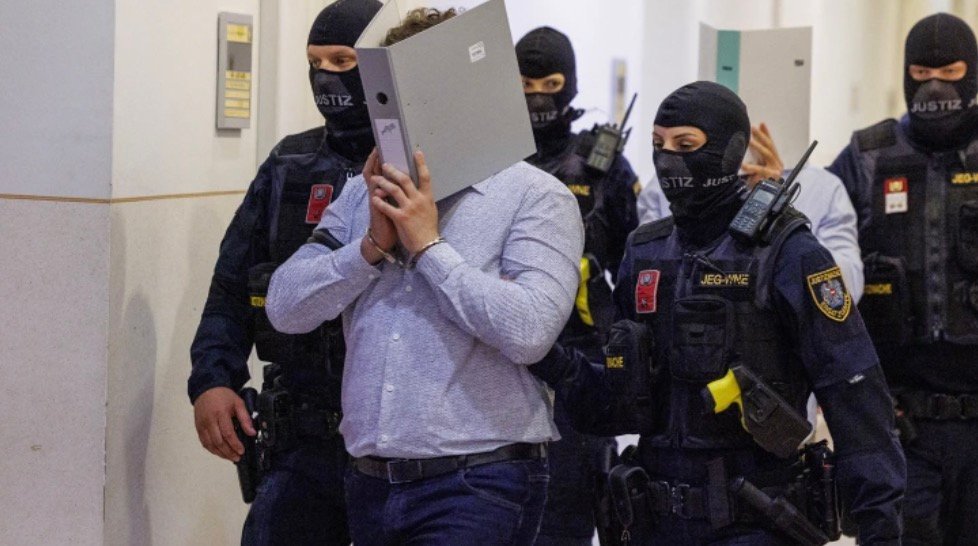
Nearly two years later, the case reached its conclusion. On May 29, 2026, the state court in Wiener Neustadt convicted Beran A. of attempted murder, membership in a terrorist cell, and a string of other terrorism-related offenses. He pleaded guilty and even told the court, “I am sorry.” Prosecutors described how he had pledged allegiance to ISIS in the days leading up to the planned attack and had networked with other extremists.
A second man, Arda K., who was not directly involved in the concert plot but faced separate terrorism charges, received a 12-year sentence. The judge made clear that public safety demanded serious time behind bars.
“This was a plot designed to cause mass casualties at a place where young people felt safest — celebrating their favorite artist. The sentence reflects the gravity of that threat.”
— Statements from the Austrian court proceedings, May 2026
Taylor Swift’s Emotional Response and the Fan Impact
Taylor Swift addressed the cancellation directly in 2024, calling the situation “devastating” and admitting it filled her with “a new fear” for her fans while expressing guilt that the shows couldn’t go on. She praised Austrian authorities for acting quickly and emphasized that keeping everyone safe mattered most.
Swifties responded the way they always do — with resilience and heart. In Vienna’s streets, strangers became friends. Social media lit up with videos of massive sing-alongs and messages of support. The moment showed the world the unbreakable bond between Taylor and her fans, even when terror tried to break it.
Why This Sentencing Matters for Concert Security Going Forward
The case highlights how international intelligence sharing stopped a tragedy before it started. Concert promoters, venues, and artists have since ramped up security protocols for major tours. What happened in Vienna forced the entire industry to rethink crowd safety without killing the joy that live music brings.
Two years on, the sentence sends a clear message: threats against fans will be met with the full force of the law. Taylor Swift continues to dominate the cultural conversation, and her community remains stronger than ever — bracelets on wrists, voices raised, ready for whatever comes next.