Table of Contents
The room fell quiet the moment Scott Pelley spoke. It was Nick Bilton’s first sit-down with the 60 Minutes team in New York, and the veteran correspondent didn’t waste time on pleasantries. According to multiple people familiar with the exchange, Pelley looked the newly installed executive producer in the eye and told him he was hardly qualified for the job. Then he went further: the program was being “murdered” under CBS News editor-in-chief Bari Weiss.
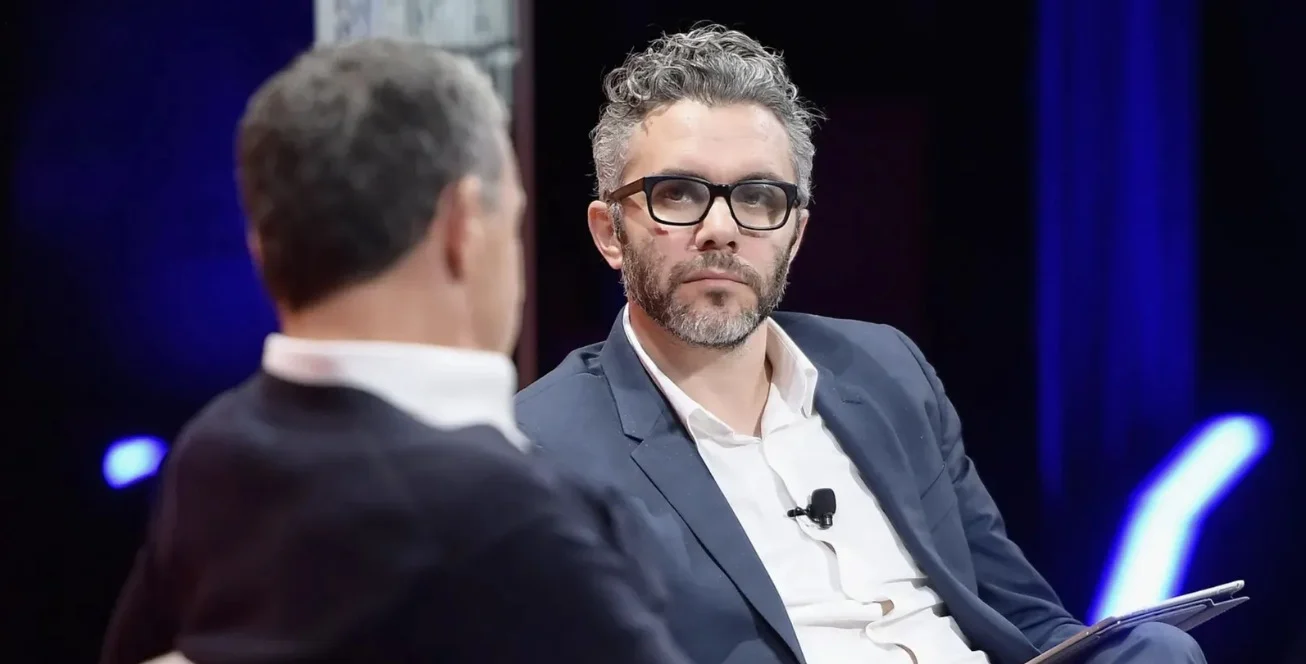
The blunt assessment landed like a gut punch. Bilton, a 49-year-old documentarian and former New York Times tech columnist with no broadcast news experience, had only recently been handed the keys to television’s most storied newsmagazine. The show that invented the format and dominated Sunday nights for more than 50 consecutive seasons was suddenly facing an internal revolt.
The “Black Thursday” Firings That Set the Stage
Just days earlier, CBS News had executed a sweeping overhaul. Tanya Simon, the longtime producer who had risen to interim executive producer, was out. Correspondents Sharyn Alfonsi and Cecilia Vega were also shown the door. Other senior staffers departed in what insiders quickly labeled “Black Thursday.”
Alfonsi had already clashed publicly with Weiss over the delayed airing of one of her reports. Vega’s exit came with pointed remarks about fearing for the future of the legendary broadcast. These weren’t quiet retirements. They were abrupt separations that left the 60 Minutes family reeling.
Why the Backlash Runs So Deep
60 Minutes has always operated with a fiercely protective internal culture. That insularity is exactly what many credit for preserving its editorial independence through decades of corporate ownership changes. Staffers and alumni view the show not as just another program, but as a national institution built on resource-intensive, boots-on-the-ground investigative work.
When Bilton walked in promising to expand the show across more days and more platforms while vowing to protect that same investigative DNA, many in the room weren’t convinced. The tension wasn’t just about one outsider. It was about whether “modernization” was code for tighter corporate control.
“They were fired by people who don’t even know what we do.”
— Former 60 Minutes executive producer Bill Owens, speaking at a press event
Owens, who resigned in April 2025 citing concerns over journalistic independence, watched the latest moves from outside and didn’t hold back. His words echoed what many inside were already whispering.
Nick Bilton’s Vision Meets Harsh Reality
Bilton has been clear about his intentions. He wants 60 Minutes to reach younger audiences where they actually watch — streaming platforms, social clips, more frequent episodes. He has told staff and reporters that the show’s reputation for serious, expensive journalism remains non-negotiable.
Yet the lack of traditional TV news experience on his résumé has become a flashpoint. Pelley reportedly pressed that exact issue during the Monday meeting. The veteran anchor, who has been part of the 60 Minutes fabric for years, made it plain that the team didn’t trust the new direction.
Bilton had tried reaching out to Pelley directly before the gathering. The call went unanswered. When they finally sat face-to-face, the conversation turned raw.
Letters, Open Letters, and Corporate Pressure
The drama hasn’t stayed inside the building. Dozens of former CBS News staffers reportedly sent a letter to Paramount chair David Ellison urging him to uphold editorial independence at 60 Minutes. Separately, journalists including Alfonsi signed an open letter warning that Paramount’s proposed merger with Warner Bros. Discovery could further threaten press freedoms.
These moves carry extra weight because 60 Minutes has already navigated high-stakes legal and political pressure in recent years, including the Trump lawsuit that ultimately ended in settlement. The fear among veterans is that the show’s hard-won credibility could erode if corporate priorities override editorial ones.
What Happens Next for 60 Minutes
The show is preparing to return for its 59th season in the fall. Bilton is tasked with steering it into a fragmented media landscape where appointment viewing has largely vanished. The challenge is doing so without breaking the very thing that made 60 Minutes appointment viewing in the first place.
For fans who have relied on the red stopwatch and the familiar tick-tick-tick for decades, the current upheaval feels personal. This isn’t abstract corporate strategy. It’s the program that broke major stories, held power to account, and shaped how America understands itself week after week.
Whether Bilton can bridge the gap between legacy expectations and digital ambition remains the central question. The Monday confrontation made one thing clear: the people who built 60 Minutes are not going quietly.