Table of Contents
Furiosa: A Mad Max Saga delivered one of the most jaw-dropping week 2 drops of the 2024 summer — a 56 percent plunge that turned early buzz into a full-blown theatrical crisis. Two years later, as the film earns fresh “most unexpected box office flop” honors in 2026 roundups and climbs Netflix charts, the numbers still tell a clear story about what went wrong and why timing matters more than anyone expected.
The Cold Hard Numbers
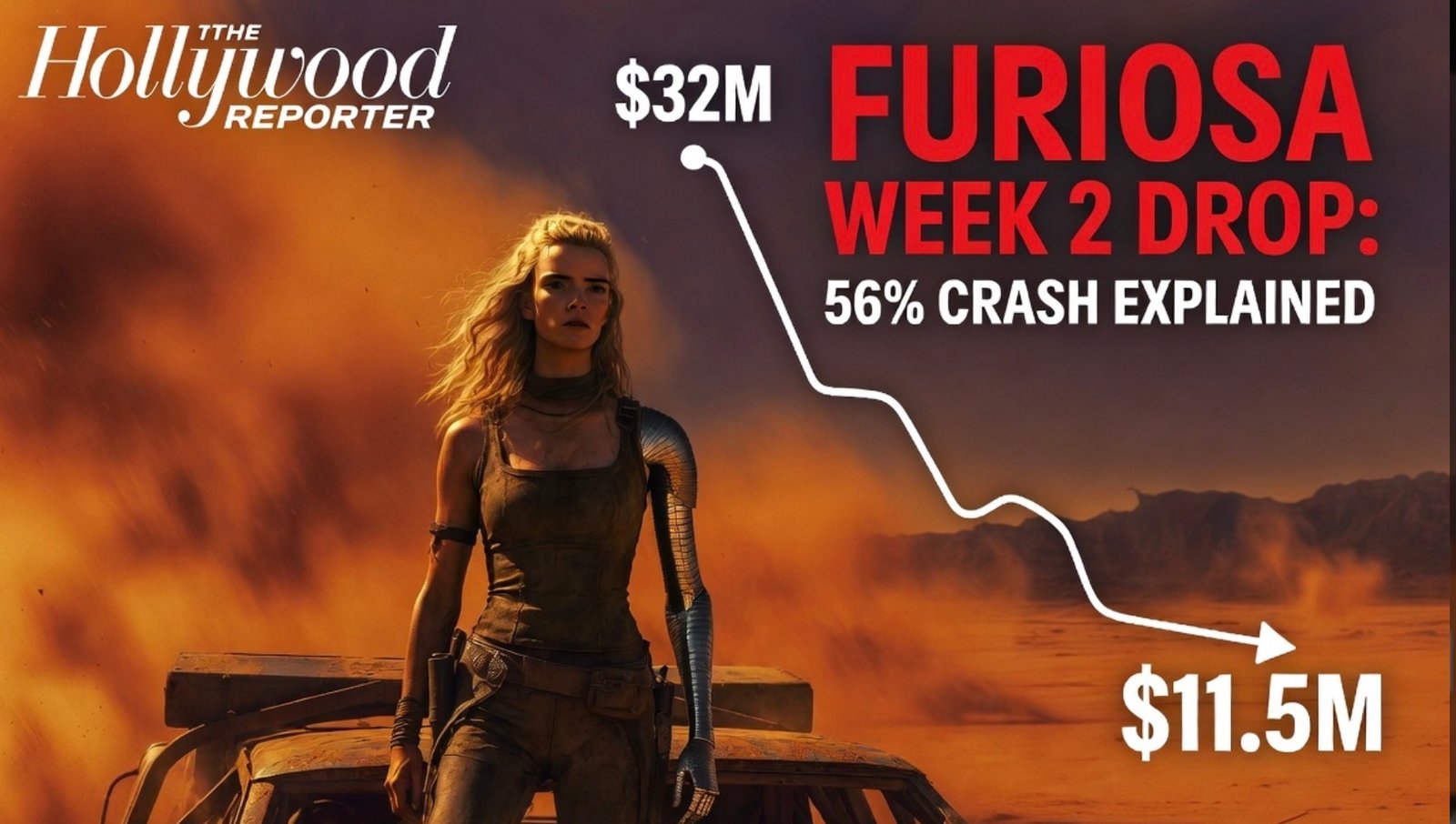
The data left little room for debate. Furiosa opened Memorial Day weekend 2024 to a soft $31–33 million domestic (including the four-day frame), already below the $40 million-plus many analysts had projected for a George Miller-directed Mad Max entry. By the second weekend the floor had fallen out.
Furiosa Box Office Snapshot
| Metric | Amount |
|---|---|
| Opening Weekend (Domestic) | $31–33 million |
| Week 2 Weekend (Domestic) | $11.5 million |
| Week-over-Week Drop | 56% |
| Final Domestic Gross | $67.5 million |
| Worldwide Total | $174 million |
| Production Budget | $168 million |
Those figures come straight from Deadline, The Hollywood Reporter, and Box Office Mojo tracking. The 56 percent second-weekend decline was steeper than most comparable tentpoles and far worse than The Garfield Movie’s 45 percent drop the same frame.
Why the Audience Vanished So Fast
The drop wasn’t random. It was the result of several forces colliding at once.
Marketing never quite sold the movie as its own story. Trailers leaned hard on “from the director of Fury Road,” which raised expectations for the same relentless, non-stop spectacle. What audiences got instead was a slower, character-driven origin tale. The shift felt like bait-and-switch to casual viewers who showed up expecting pure chaos.
Prequel fatigue played a role too. Fans had waited nine years since Fury Road. Many wanted Max back in the driver’s seat, not a nine-year-old Furiosa origin story. Anya Taylor-Joy gave a ferocious, physical performance — the kind that earns standing ovations at Cannes — but she wasn’t yet the household name who could carry a $168 million action epic on star power alone. The 71 percent male, older-skewing audience confirmed at the door never expanded into the younger repeat-viewing demo that fuels big openings.
Post-strike release calendar realities didn’t help. 2024 was already a lean year for major releases. Audiences were cautious, still adjusting to fewer big movies and more streaming options. When Bad Boys: Ride or Die and Inside Out 2 arrived weeks later, they claimed the premium large-format screens Furiosa had relied on for its best ticket prices.
You could feel the energy shift in real time. Opening weekend theaters buzzed with the kind of excited chatter that usually signals word-of-mouth momentum. By Saturday night of week two the parking lots were noticeably thinner. The film was excellent — 90 percent on Rotten Tomatoes — but excellence alone couldn’t overcome mismatched expectations and a brutal summer box office climate.
2026 Reality Check: From Theatrical Disappointment to Streaming Cult Classic
Fast-forward to May 2026 and the conversation has flipped. Recent industry roundups named Furiosa the most surprising box office disappointment of the past two years. Yet the same movie is regularly appearing on global Netflix top charts, proving it found its audience once it hit the living room.
George Miller has continued teasing future Mad Max projects, including updates on The Wasteland, with clear lessons baked in from Furiosa’s run: tighter budgets, stronger marketing hooks, and perhaps a more prominent Max presence to anchor the franchise. The theatrical underperformance didn’t kill the saga — it simply forced a recalibration.
What Hollywood Learned
Furiosa didn’t fail because it was bad. It stumbled because the industry misread the moment. Big swings still work in 2026, but only when marketing, star power, timing, and audience appetite line up perfectly. The film’s eventual streaming success shows that great cinema can still find its people — just not always on opening weekend.
The week 2 numbers were the warning shot. Two years later they read like a case study in how quickly even critically adored blockbusters can lose momentum when everything else isn’t firing on all cylinders.