Table of Contents
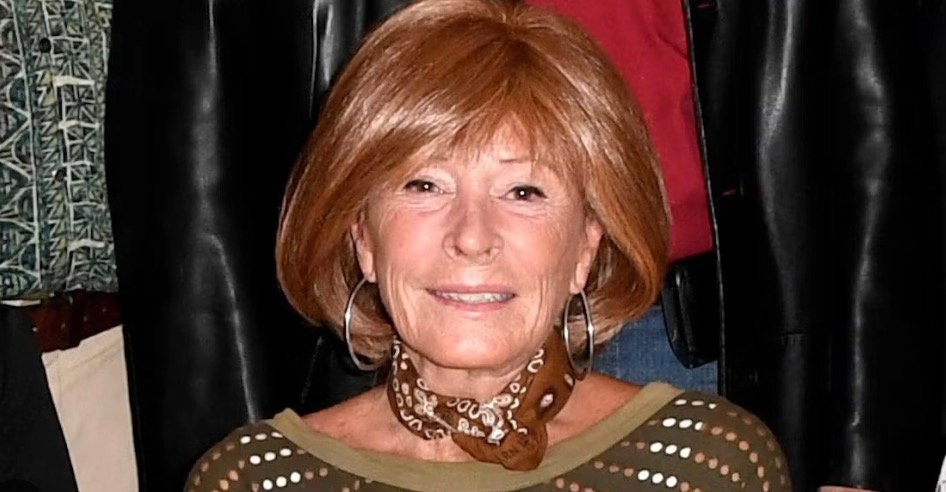
The news hit like a lightsaber to the chest. Marcia Lucas, the Oscar-winning film editor whose sharp instincts helped turn the original Star Wars into a cultural phenomenon, died Wednesday at her home in Rancho Mirage, California. She was 80. Her family confirmed she passed peacefully, surrounded by loved ones, after battling metastatic cancer.
Marcia Lucas didn’t just cut film — she sculpted emotion. Fans who grew up replaying that trench run on the Death Star still feel the pulse she built into every frame. Her work on George Lucas’s 1977 blockbuster earned her a shared Academy Award for Best Film Editing in 1978, alongside Paul Hirsch and Richard Chew. And that win marked far more than one night in a tuxedo. It cemented her place as a trailblazer in an era when women behind the editing bay rarely got the spotlight.
The Magic She Brought to the Galaxy Far, Far Away
Picture the final assault on the Death Star. The countdown. The sweat. The impossible odds. That heart-pounding tension? Marcia Lucas poured it into the footage. She pushed for the now-legendary moment when Obi-Wan Kenobi sacrifices himself, raising the stakes and making Darth Vader feel truly unstoppable. George Lucas has openly credited her for those story instincts that turned a risky space opera into the movie that launched a franchise.
She also shaped the editing on Return of the Jedi, keeping the saga’s emotional core alive even as the scale grew massive. Theater audiences in 1977 didn’t just watch Star Wars — they erupted when the credits rolled. Her cuts delivered the perfect rhythm that kept millions glued to the screen.
A New Hollywood Force Who Edited Legends
Long before Star Wars exploded, Marcia built her reputation in the raw, rule-breaking world of 1970s cinema. She earned an Oscar nomination for her work on American Graffiti, another George Lucas film that captured the last night of innocence in small-town America. She cut Martin Scorsese’s Taxi Driver, giving Travis Bickle’s descent into darkness its unforgettable edge. Francis Ford Coppola leaned on her talent too.
She started as a film librarian and rose fast, proving that editors don’t just trim footage — they find the soul of the story. In a male-dominated industry, Marcia stood out. She brought emotional intelligence to every project, turning good scenes into unforgettable ones.
“Marcia will be remembered as a brilliant storyteller, a trailblazer for women in film, a loving mother and grandmother, a generous host, and a loyal friend whose humor and sparkle filled every room she entered.”
— Family statement
Life Beyond the Cutting Room
Marcia met George Lucas in the late 1960s while working on his early films. They married in 1969 and divorced in 1983. Together they raised a daughter, and their creative partnership helped define an era. Even after their marriage ended, her influence on his biggest successes remained clear.
In later years she spoke candidly about the industry she loved. She raised a family, hosted friends, and lived quietly away from the spotlight — but her fingerprints stayed on some of the most-watched movies ever made.
Tributes Pour In as Hollywood Remembers
Lucasfilm released a statement honoring her “extraordinary sense of story” that helped shape the beloved films of the 1970s. Fans flooded social media with memories of the first time they saw Star Wars on the big screen, many noting how her editing made the galaxy feel alive.
She leaves behind a legacy that goes far beyond one franchise. In an age when blockbusters rule the box office, Marcia Lucas proved that the right cut at the right moment can change everything — and touch millions.
Her passing closes a chapter, but the films she helped create will keep playing for generations. Every time a new viewer feels that rush during the trench run or cheers when the Death Star explodes, they’re experiencing the gift Marcia Lucas gave cinema.